field report
Six Weeks of Fall Deadline Season in a Two Person Grants Office
September through mid November is when foundation deadlines stack up and reports for grants already won come due at the same time. Here is how the six weeks actually run in a two person office.
Late August: the deadline list gets printed and taped up
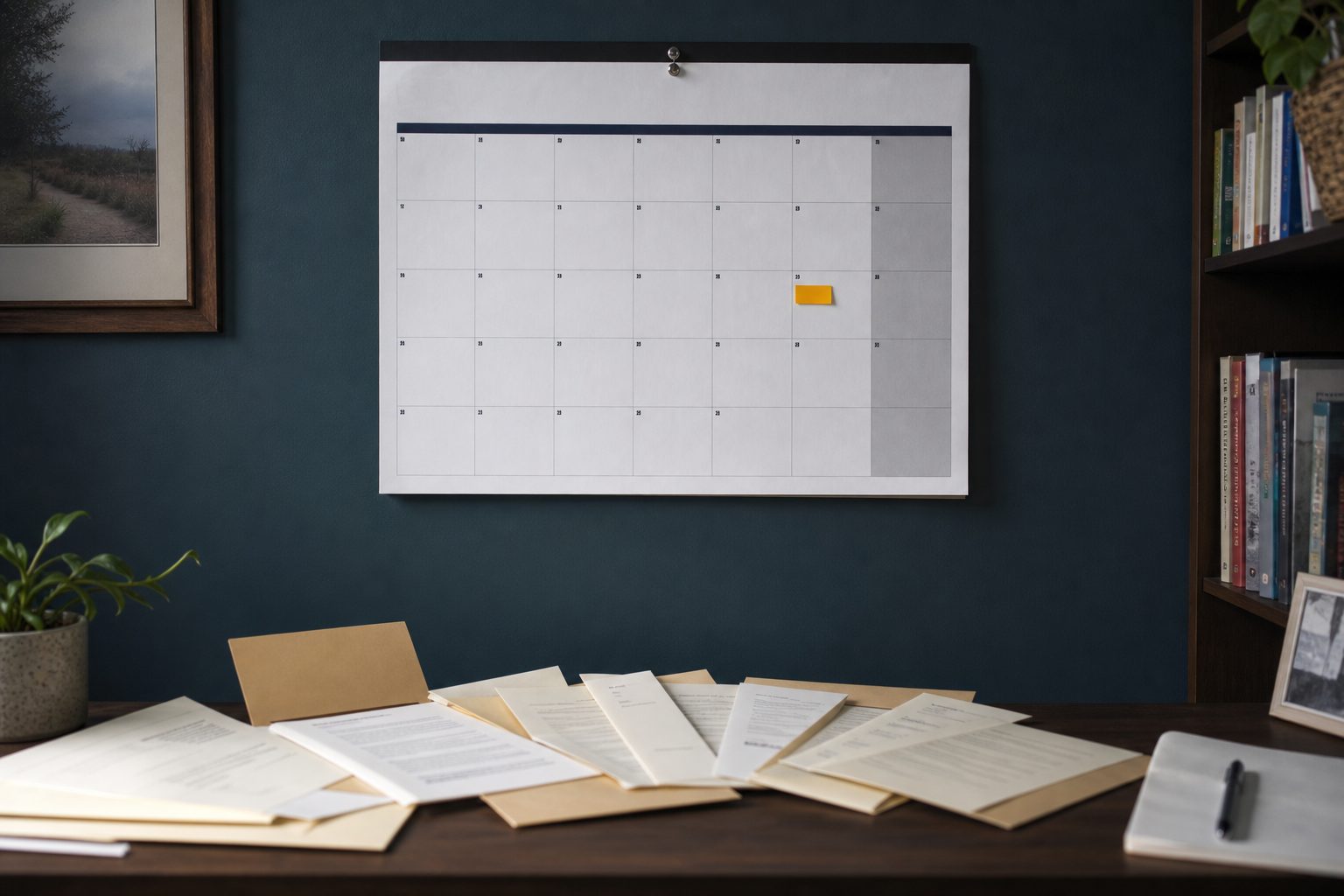
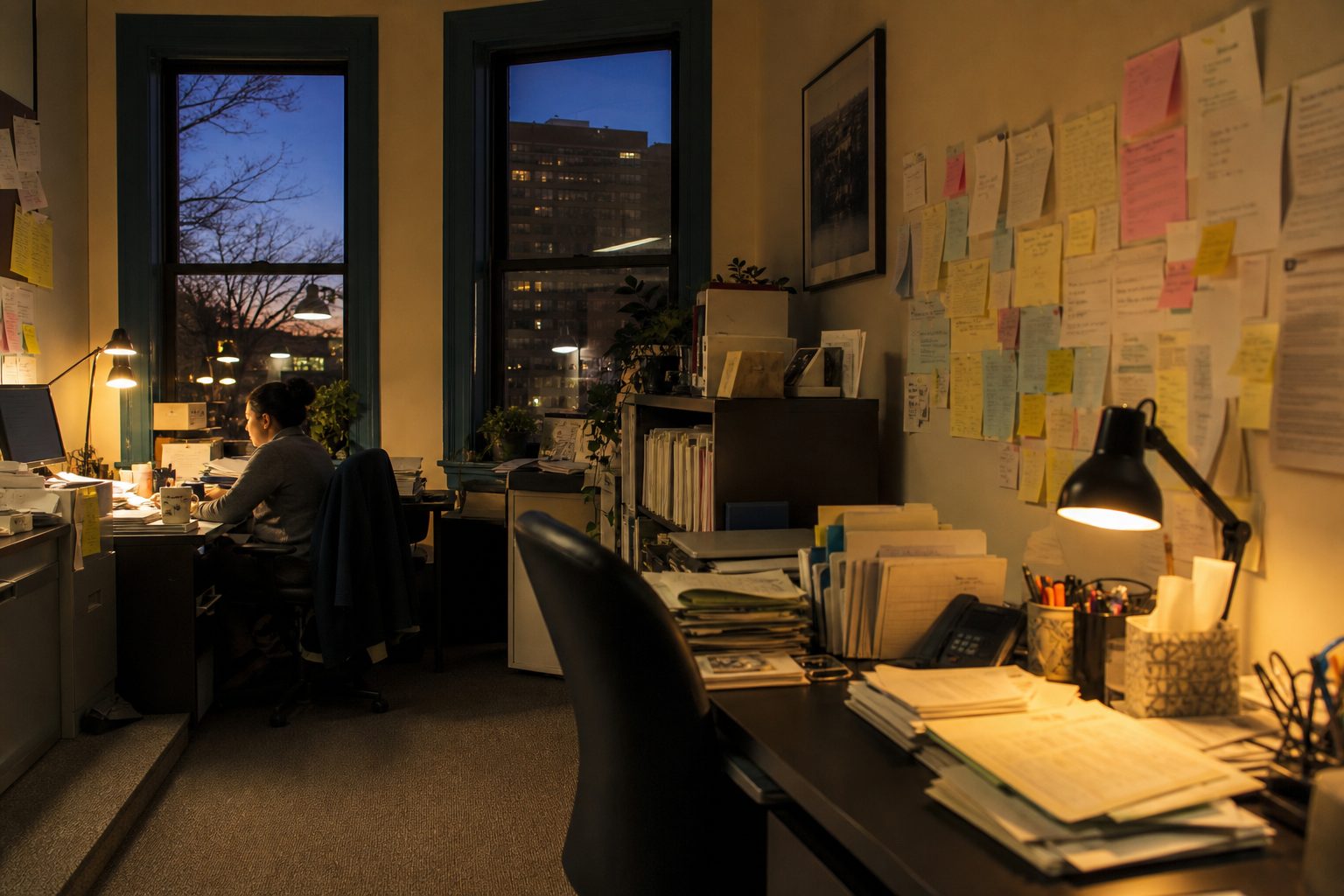
In small nonprofit offices, late August signals the start of the busiest stretch of the year. For many, the ritual is the same: one of the two staffers, usually the development lead, sits down to comb through emails, spreadsheets, and last year's folders. They build a master list of every foundation grant deadline, report due date, and funder communication window between September and mid November. Once assembled, this list is printed out, color-coded, and taped up in plain sight, often right above the communal desk or next to the office coffee pot.
This physical list becomes the nerve center of the grants office. It holds not only the dates, but quick notes about attachments, signatories, and requirements unique to each funder. For a two person team, this calendar is less about inspiration and more about survival. It helps both staffers see the crunch coming, and, crucially, forces conversations about what can be realistically accomplished, what will need to be pushed, and which applications may need to be dropped altogether.
Keep reading: How to Build a Twelve Month Grant Calendar From Your Award Letters
Week one: attachments, audits and current board lists
The first week after Labor Day is when the scramble begins in earnest. Most foundation proposals due in September and October require more than just a narrative and budget. The attachments pile up fast: IRS determination letters, audited financials, up-to-date board lists, and current year budgets. Even for experienced shops, gathering these is rarely a one-click process.
In a two person office, someone, often the development lead, spends hours tracking down the latest audit, which may still be with the accountant. The executive director is on deck to update the board roster, wrangle missing signatures, and approve language for the annual report. If a foundation wants a scanned letter signed by the board chair, there is a mad dash to coordinate schedules. Each attachment is a separate task, each with its own filing cabinet or cloud folder. No one wants to be the staffer who discovers, the day before deadline, that the only copy of the audit is locked in the treasurer's car.
Smart teams keep checklists for each funder, but even then, it can feel like every year brings a new required form or template. This is when last year's notes and calendar reminders are worth their weight in gold.
When three deadlines land in the same week
Some weeks, the calendar is merciless. Three proposals due in five days is not uncommon during fall deadline season. For a two person office, this means dividing the labor with ruthless clarity. One staffer drafts narratives while the other builds budgets and manages attachments. Copyediting is squeezed in during lunch or after hours. The sequence is critical: budgets must be final before the narrative gets its last pass. Attachments are assembled in parallel, often with a growing sense of "just get it done."
In a week like this, meetings get rescheduled. Outreach events are skipped. The phone is allowed to ring through. The team falls back on a short menu of emergency meals and learns to appreciate the efficiency of instant coffee. There is little room for perfection. The goal is to submit accurate, credible proposals that tell the story clearly, with no loose ends or missing documents. If a funder's online portal glitches, the backup plan is to submit by email, with screenshots and a polite cover note explaining the situation. Every hour counts.
Keep reading: The Federal Grant Registration Checklist: SAM.gov, UEI, Grants.gov
The interruption problem: reports due for grants already won
The biggest trap during fall deadline season is not the new proposals, but the steady drip of reports for grants awarded earlier in the year. Many foundations set reporting deadlines for October or November, meaning the same staffers drafting next year's asks are also scrambling to account for last year's spending.
These reports are not just clerical work. They require careful tracking of grant-funded activities, financial documentation, outcome data, and, often, anecdotal stories. Pulling this together means reaching out to program staff, running numbers through accounting software, and sometimes chasing down receipts or attendance lists. In a two person shop, this usually means at least one afternoon a week is eaten up by report writing, time that cannot go to new proposals.
The consequences of missing a report deadline are real. Late or incomplete reports can put a nonprofit on probation with a funder, or push next year's proposal down the priority list. As a result, these interruptions get triaged alongside everything else. Some shops designate one person as the "report wrangler," but in practice, both staffers end up pitching in. Prioritizing reports is a survival tactic, not an ideal workflow.
Where the hours actually go across a working week
Monday: Calendar check and triage
Every Monday morning starts with a calendar review. The team checks the taped-up list, scans email for last-minute funder notes, and updates their shared spreadsheet. The goal is to set clear targets for the week, what must be drafted, what needs staff signatures, and which attachments are outstanding. This triage can take an hour or more, especially if new deadlines or clarifications come in over the weekend.
Tuesday to Thursday: Writing, editing, and attachments
The bulk of proposal writing happens midweek. One staffer focuses on the narrative, mining past proposals for language and updating data points. The other refines the budget and chases down attachments. When a narrative draft is ready, both review by trading printed copies, marking edits in pen, and then updating the digital file. Budget revisions trigger another round of back-and-forth, especially if new program numbers come in. If the team needs a letter of support or a partner MOU, this is the window to make the ask.
Friday: Final assembly and submission
Friday is for assembling the full package. The team staples, scans, or uploads everything according to each funder's quirks. If a submission portal is finicky, someone double-checks the upload confirmation. A final check ensures every attachment is in the correct order and file format. When all is done, there is a shared sigh of relief, and sometimes a note on next year's list about what could be improved.
In reality, the ideal schedule rarely holds. Surprises eat up hours: a funder's portal crashes, a key board member is out of town, or a budget line item prompts a flurry of emails. Overtime is common, even for salaried staff. The lines between home and office blur, especially when one or both staffers work remotely.
See how GrantClock handles this for nonprofit administration
The handoff between the executive director and the development lead
The grant process in a two person nonprofit office depends on a tight, clear handoff between the executive director and the development lead. Each brings different strengths: the development lead manages deadlines, drafts narratives, and assembles attachments. The executive director provides strategic direction, reviews final drafts, updates budgets, and signs off as the official representative.
The most effective teams set up regular check-ins, often on Monday mornings and Thursday afternoons. During these meetings, they walk through the week's priorities, clarify who is leading each application, and share updates on missing documents. If a funder wants a program update or a new financial breakout, the executive director works with program staff or finance to get the numbers. The development lead integrates this into the narrative and budget.
Last minute changes are inevitable. A funder might request a new attachment, or the board might approve a change in program scope. The executive director and development lead must move quickly, dividing tasks according to who has the right information or access. Trust and communication matter more than formal job descriptions.
When crunch time hits, such as the week with three deadlines, the executive director may take on more writing, or step in to make phone calls to partners. The development lead might handle final uploads or coordinate courier pickups for physical submissions. Flexibility is essential, and so is keeping good notes for next year.
December: the debrief that sets next year's calendar
Once the last deadline passes in November, the pace finally slows. In December, the two person team sits down to debrief. They pull out the taped-up deadline list, last year's notes, and their shared calendar. This is not just about patting themselves on the back. The debrief is a practical tool for improving next year's workflow.
The team reviews what went well, and what nearly went off the rails. Did a funder move their deadline without notice? Did a report require new data the team did not have ready? Was a key attachment missing until the last minute? Each issue becomes a note or task for the coming year. If a particular grant took more hours than expected, the team may decide to start that application earlier or skip it altogether. Patterns emerge: which funders are predictable, which ones are not, and which require extra lead time for board signatures or audits.
This is also when the team updates their master calendar, building in reminders for audits, board list updates, and reporting requirements. Some staffers prefer sticky notes and wall charts, while others move everything to a digital system. The goal is to make next fall less frantic, with fewer Friday night scrambles and more built-in buffers for surprises.
Many offices now use grant management tools to handle deadlines, report tracking, and funder history. For a two person team, having a grant portfolio calendar with deadline alerts and an organized record of past funder interactions can make the difference between treading water and working ahead. The right system frees up hours for strategy and storytelling, rather than chasing paperwork in the final stretch.