case study
Inside One Community Foundation Cycle: LOI, Site Visit, Final Report
Follow a single community foundation grant through twelve months: letter of inquiry, full proposal, site visit, board docket, interim report, final report, and the decision about the next cycle.
Month one: the letter of inquiry window opens
In many community foundations, the grant cycle begins in January or September. For the nonprofit, this means watching for the letter of inquiry period, often a two to four week window. The foundation posts the dates on its website, sends an email to last year's applicants, and updates its grants portal.
The executive director and development staff meet to review the foundation's priorities for the year. Sometimes these shift, mental health may replace food access, or the geography served may change. The team compares the foundation's guidelines to their own mission and current programs. If the fit looks good, they move quickly to draft their letter of inquiry (LOI).
Crafting the LOI
The LOI is a short introduction, usually two or three pages. It includes a one-paragraph summary of the organization, a description of the project seeking funding, and a brief budget estimate. Some foundations want numbers on who will be served, most ask for a dollar amount, and all expect a clear statement of need. If the application is digital, the portal may restrict the text to a fixed character count.
For a foundation with a two-step process, the LOI is the first filter. About half of the applicants may not be asked for a full proposal. The staff at the nonprofit check the requirements carefully: Is there a fiscal sponsor involved? Are staff salaries eligible expenses? They submit the LOI and set a reminder for the next milestone.
Keep reading: Trust Based Philanthropy and What It Changes in Your Reporting Year
Month two: staff review and the invitation to a full proposal
The foundation's program officer reviews LOIs, sometimes with a grants committee or a small team. They look for fit, feasibility, and history. New applicants may get a phone call for clarification. Returning applicants may be asked about last year's results.
At the end of the month, invitations go out. For this case, the nonprofit receives an email: "We invite you to submit a full proposal." The message lists the required attachments and the deadline, often three to five weeks out. The full application packet often asks for more detail than the LOI, outcomes, community partnerships, letters of support, and a complete budget.
Internal planning
The nonprofit team divides up tasks. The executive director drafts the narrative. The operations manager updates the board list and finds the most recent IRS determination letter. The finance person starts on the budget spreadsheet. The staff set internal deadlines to avoid a last-minute rush.
Month three: budget, board list and audited financials
The full proposal packet is due in four weeks. For most community foundations, the requirements are standard. The nonprofit must supply an itemized project budget, a list of the board of directors with affiliations, and a copy of the most recent audited financials or 990. Some foundations want a logic model or a timeline. Others require statistics on outcomes or demographic data on beneficiaries.
Budget rationale
The budget format may be provided as an Excel template. Salaries, fringe, supplies, and contracted services go in the columns. If the foundation only allows a certain percentage for administrative costs, the nonprofit does the math and adjusts accordingly. Matching funding or in-kind contributions are spelled out if required.
Board governance and financial documentation
The updated board list must include officers and terms. For some, every board member must make an annual contribution. The foundation staff may check the 990 to see if board giving meets their policy. If the nonprofit does not have an audit, a reviewed financial statement may suffice, but this should be confirmed early.
Once all documents are assembled, the proposal is submitted through the foundation's portal. The system sends a confirmation receipt. The team saves a copy of everything sent for the records.
Keep reading: Six Weeks of Fall Deadline Season in a Two Person Grants Office
Month four: the site visit and what the program officer checks
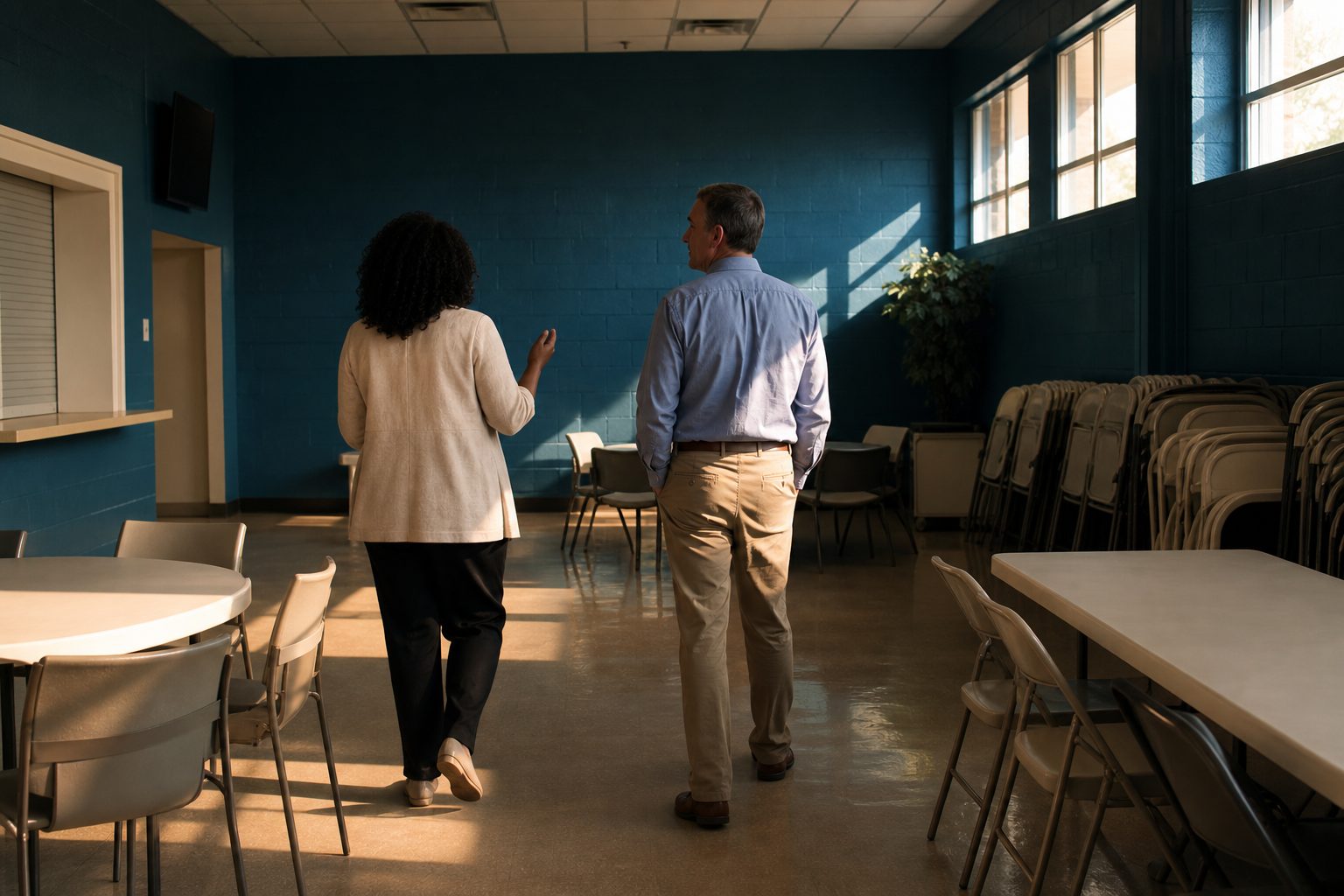
After reviewing proposals, the program officer schedules site visits with finalists. This is usually a one-hour meeting at the nonprofit's location. Sometimes, if travel is difficult, it is a video call. The goal is to verify what was promised in the proposal and to assess capacity. For new applicants, the visit can be informal. For returning grantees, the focus is on progress and lessons learned.
On-site walk-through
The visit begins with a tour of the program in action. The program officer wants to see the facilities, meet staff, and, where appropriate, observe a service or class. For youth programs, this might be a tutoring session in progress. For food pantries, it could be a distribution day. The program officer asks about day-to-day challenges and how the organization measures success.
Document check and Q&A
The officer may ask to see attendance logs, sign-in sheets, or other documentation. They look for alignment between what was promised and what is happening on the ground. Common questions include: How does the organization track impact? Where are the biggest risks? What would happen if funding decreased?
Notes from the visit are recorded by the officer and shared with the grants committee or board. The nonprofit thanks the visitor and follows up with any materials requested during the meeting.
Month five: the board docket and the award notification
The program officer prepares a summary of each finalist and presents these to the foundation's grants committee or full board. This meeting is usually scheduled for a regular board cycle. The docket includes the proposal, the officer's site visit notes, and sometimes a funding history. The board reviews all finalists and votes on awards. In some foundations, the grants committee makes the recommendations, and the full board ratifies them.
The notification process
Within two to three weeks of the board meeting, the foundation sends out notifications. For awarded grantees, the email or letter outlines the grant amount, payment schedule, and reporting requirements. There is often a grant agreement to sign and return. Some foundations send checks immediately; others require a signed agreement first. For those not selected, a brief explanation may be offered, and some foundations invite unsuccessful applicants to request feedback.
Planning for spending and reporting
The nonprofit updates its internal calendar. The finance team tracks the award in its ledger. The program lead adjusts the program plan to match the funding received, especially if the award is less than requested. The clock starts on the grant period, which is usually twelve months.
See how GrantClock handles this for nonprofit administration
Months six to eleven: interim report and the check in call
About halfway through the grant period, the foundation requires an interim report. This is sometimes a fill-in-the-blank online form, sometimes a one or two page narrative. The reporting window is listed in the grant agreement, and reminders are sent a few weeks before the due date. The report usually asks for progress against the goals stated in the proposal, actual expenditures to date, and any changes to the plan.
Data collection and outcomes
The nonprofit must have systems for tracking attendance, services delivered, and outcomes. For some, this means exporting data from a case management system. For others, it is a manual count. The interim report highlights successes, lessons learned, and any significant challenges. If spending is under or over budget, this must be explained.
The check in call
Many foundations schedule a check in call or site visit after the interim report. This is less formal than the initial visit. The program officer wants to ensure the grantee is on track and to offer support or guidance if problems have come up. For organizations struggling to meet goals, this is a chance to propose adjustments or request a timeline extension. For those on track, it is a relationship-building opportunity. Notes from these calls may influence future funding decisions.
Month twelve: the final report and the next cycle decision
As the grant period ends, the final report is due. This is a comprehensive summary of what was accomplished with the funds. The foundation typically asks for numbers served, outcomes achieved, final spending, and stories or testimonials illustrating impact. Some require backup documentation, like invoices or attendance logs, to be uploaded with the report.
Financial and narrative close-out
The finance person prepares the final expenditure report, matching it to the original budget. Variances are explained. The executive director drafts the narrative, focusing on goals met, challenges overcome, and what will be sustained after the grant ends. If the project did not fully meet its objectives, the report should address why and what was learned.
The next cycle decision
After the final report is accepted, the program officer may reach out to discuss continued funding. Some foundations have policies against consecutive-year funding; others encourage multi-year relationships. The nonprofit reviews the foundation's latest guidelines to see if it is eligible to apply again. Sometimes, a new program or an updated approach is needed to stay in alignment with changing priorities.
If the relationship has been positive, the nonprofit may be invited to submit an LOI for the next cycle. If not, the staff move on to other funders and start the process over elsewhere.
What the whole cycle looks like on one calendar
For a nonprofit with several grants in play, the process above repeats with different dates, requirements, and contacts. Deadlines overlap, report windows open and close, and each funder has its own quirks. Keeping track means using spreadsheets, shared calendars, or sometimes sticky notes on a desk.
One missed report deadline, or a delayed budget attachment, can put a future award at risk. Tools that organize grant cycles, track deadlines and reporting windows, and provide a clear view of funder relationships can help nonprofit teams stay on top of their workload. For small organizations, having a single grant portfolio calendar and automatic reminders makes the twelve-month cycle more manageable and less stressful for everyone involved.